
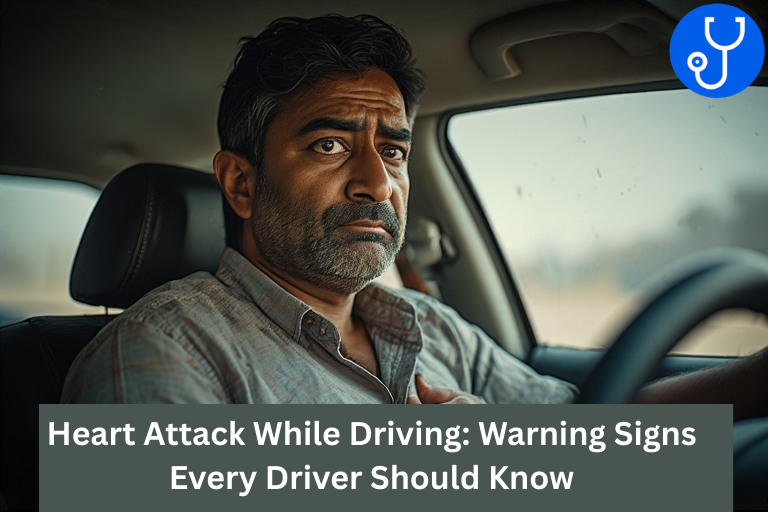
In recent years, I have seen too many cases where families lose someone because a heart attack occurred behind the wheel. These tragedies affect not just the driver but often innocent people on the road. If you drive regularly, whether for work or daily commutes, this information can help protect your life and the lives of others. Understanding the warning signs and knowing what to do in those critical moments can make the difference between life and death.
Understanding the Reality: Research from Driver Heart Attack Cases
Medical research has examined cases of drivers who suffered fatal heart attacks while driving. One detailed study looked at 21 such cases and found some important patterns. All the drivers were male with an average age of 47 years. The research revealed that 90 percent had cardiac hypertrophy, which means their heart muscle had become abnormally thick.
Among these drivers, 57 percent had hypertension, 38 percent had suffered a previous heart attack, and 19 percent had fatty liver disease. These numbers tell me that many drivers who experience sudden cardiac events on the road already had underlying risk factors that could have been identified earlier.
Key Research Finding: Overwork
The study showed that 66.67 percent of cases had overwork as a contributing factor, and 47 percent worked more than 80 hours of overtime per month. Lifestyle and work stress play a major role in driver heart attacks.
Another important finding: among the 21 drivers studied, only 2 complained of symptoms like abdominal discomfort or nausea before their cardiac event. The remaining 19 drivers either had no obvious symptoms or did not take their mild symptoms seriously. This matches what I see in my practice: people often ignore warning signs until it becomes too late.
Who Is at Highest Risk While Driving
Based on research and my clinical experience, certain groups of drivers face higher cardiac risk:
Male Drivers Between 40 and 60 Years
Research shows this age group has the highest incidence of sudden cardiac events while driving. If you are in this age range and drive frequently, regular cardiac checkups become essential.
Drivers with Previous Heart Problems
If you have had a heart attack before, your risk of having another cardiac event while driving increases significantly. The research showed that 38 percent of driver fatalities had previous myocardial infarction.
Professional Drivers with Long Working Hours
Truck drivers, cab drivers, bus drivers, and delivery drivers who work extended hours face particular risk. When you work more than 80 hours of overtime per month, your body stays in a constant state of stress. This chronic stress damages your cardiovascular system over time.
Drivers with Multiple Risk Factors
If you have hypertension, high cholesterol, diabetes, obesity, smoking habits, or a family history of heart disease, your risk multiplies. The research found that 57 percent of drivers who suffered fatal cardiac events had hypertension, and 90 percent had cardiac hypertrophy.
Drivers with Fatty Liver
The research identified fatty liver in 19 percent of cases. This condition often goes hand in hand with metabolic syndrome, which increases cardiovascular risk.
If any of these risk factors apply to you, I strongly recommend getting a complete cardiac evaluation before continuing to drive regularly. You can learn more about maintaining heart health to reduce these risks.
Warning Signs You Should Never Ignore Before Driving
Many drivers miss early warning signs because they attribute symptoms to stress, tiredness, or indigestion. Let me share the symptoms you should take seriously:
Chest Discomfort or Pressure
Any sensation of tightness, pressure, squeezing, or heaviness in your chest deserves immediate attention. Some people describe it as feeling like an elephant sitting on their chest. Do not drive if you experience this.
Pain Radiating to Arms, Jaw, Neck, or Back
Heart-related pain can radiate beyond your chest to your left arm, right arm, jaw, neck, shoulders, or back. If you feel unexplained discomfort in these areas along with other symptoms, seek medical evaluation before getting behind the wheel.
Severe Indigestion or Abdominal Discomfort
The research showed that some drivers complained of abdominal discomfort or nausea before their cardiac event. Many people dismiss these symptoms as acidity or gas. However, when severe indigestion comes with sweating, breathlessness, or chest discomfort, it can signal a heart problem.
Unexplained Fatigue
Feeling exhausted despite adequate sleep can be a warning sign. Research indicates that 40 to 60 percent of patients experience transient myocardial ischemia, and 70 to 80 percent present with silent myocardial infarction. This means your heart can be under stress without causing obvious chest pain.
Breathlessness Without Exertion
If you feel short of breath while sitting or doing minimal activity, this needs evaluation. Breathlessness combined with chest discomfort is particularly concerning.
Dizziness or Lightheadedness
Feeling faint or dizzy can indicate your heart is not pumping blood effectively. Do not ignore this, especially if it happens repeatedly.
Cold Sweats with Other Symptoms
Breaking into a cold sweat along with chest discomfort, nausea, or breathlessness can signal a cardiac emergency.
Important
If you experience any combination of these symptoms, do not convince yourself it will pass. Seek medical attention immediately. Do not attempt to drive yourself to the hospital.
How Driving Itself Can Trigger Heart Problems
Driving creates specific stresses on your cardiovascular system that you should understand:
Mental Stress and Traffic
Navigating heavy traffic, dealing with aggressive drivers, and managing time pressure all increase your stress hormones. This raises your heart rate and blood pressure, which can trigger cardiac events in people with underlying heart disease.
Physical Strain Without Movement
Sitting in one position for extended periods causes poor circulation. Long-distance driving without breaks puts strain on your heart without giving your body the movement it needs.
Dehydration and Poor Eating Habits
Many drivers skip proper meals or stay dehydrated during long trips. This affects your blood pressure and can trigger cardiac problems.
Sleep Deprivation
Driving when tired or sleep-deprived stresses your entire cardiovascular system. Your body releases stress hormones to keep you alert, which increases cardiac workload.
Medical Causes of Heart Attacks While Driving
Heart attacks while driving can result from several medical conditions beyond typical coronary artery disease:
Acute Coronary Syndrome
This includes conditions where blood flow to your heart muscle is suddenly reduced or blocked. It encompasses heart attacks and unstable angina.
Coronary Artery Spasm
Your coronary arteries can temporarily tighten and reduce blood flow to your heart muscle. This can happen even without significant plaque buildup.
Arrhythmias
Abnormal heart rhythms like ventricular fibrillation or supraventricular tachycardia can cause sudden cardiac arrest. These can occur while driving if you have underlying electrical problems in your heart.
Stress-Induced Cardiomyopathy
Also called Takotsubo cardiomyopathy, this condition occurs when severe emotional or physical stress causes temporary heart muscle weakness.
Myocarditis
Inflammation of your heart muscle from viral infections or other causes can lead to cardiac events.
If you want to understand more about different heart conditions and their warning signs, I have written additional resources on my blog.
What to Do If You Experience Heart Attack Symptoms While Driving
Your actions in the first few minutes can save your life. Here is exactly what you should do:
Step-by-Step Emergency Response
- Stay as Calm as Possible — Panic makes your heart work harder and worsens your symptoms. Take slow, deep breaths and focus on the next steps.
- Pull Over Safely and Immediately — Move your vehicle to the side of the road as soon as safely possible. Turn on your hazard lights to alert other drivers. If you are on a highway, try to reach the shoulder or an emergency lane.
- Turn Off Your Engine — Once stopped, turn off your engine and engage the parking brake.
- Call 112 Immediately — This is the national emergency number for India. Give your exact location with landmarks. If you are on a highway, note the kilometer marker.
- Loosen Tight Clothing — Undo your collar, belt, or any tight clothing around your chest and neck. This helps you breathe more easily.
- Take Aspirin If Available — If you have aspirin and are not allergic, chew and swallow one 325mg tablet. Chewing works faster than swallowing it whole. Skip this if you have any aspirin allergy or bleeding disorder.
- Use Nitroglycerin If Prescribed — If your doctor has prescribed nitroglycerin for angina and you carry it with you, take it as directed.
- Do Not Continue Driving — No matter how much better you feel after a few minutes, wait for emergency medical services to arrive. Many heart attacks occur in waves.
What Your Co-Passenger Should Do
If you are traveling with someone when they experience heart attack symptoms, your quick thinking can save their life:
Co-Passenger Action Checklist
- Help Them Stop the Vehicle Safely — If the driver seems confused or distressed, help them guide the vehicle to safety. Stay calm and give clear, simple instructions.
- Call 112 Immediately — Provide the exact location, the main road or highway name, nearby landmarks, and kilometer markers if on a highway. Tell them the driver is experiencing possible heart attack symptoms.
- Keep the Driver Calm — Reassure them that help is coming. Encourage slow, deep breathing. Your calm presence helps reduce their panic.
- Loosen Tight Clothing — Help loosen their collar, belt, and any restrictive clothing.
- Give Aspirin If Appropriate — If aspirin is available and the driver is conscious, not allergic, and not on blood thinners, help them chew one 325mg tablet.
- Monitor Their Condition — Watch their breathing and level of consciousness. If they stop breathing or become unconscious, be ready to perform CPR if you know how.
- Use an AED If Available — Some vehicles, especially commercial transport, may have automated external defibrillators. If available and the person becomes unconscious, follow the AED instructions.
- Flag Other Motorists for Help — If needed, step out safely and flag other drivers to assist or to help direct emergency vehicles to your location.
Prevention Strategies for High-Risk Drivers
Based on research and clinical guidelines, here are specific preventive steps for drivers at higher cardiac risk:
Regular Medical Evaluation
Men between 40 and 60 years who drive frequently should undergo regular physical examinations with cardiac assessment. This becomes even more important if you have any risk factors like hypertension, previous heart problems, or diabetes.
Cardiac Testing for Professional Drivers
If you drive professionally, especially for long hours, consider annual cardiac screening including ECG, stress testing, and echocardiogram. This helps identify problems before they cause emergencies on the road.
Manage Known Heart Conditions
If you have coronary artery disease, hypertension, cardiac hypertrophy, or previous myocardial infarction, work closely with your cardiologist. Follow your treatment plan strictly and attend all follow-up appointments.
You can read more about managing heart health with existing conditions for additional guidance.
Control Your Working Hours
Research clearly shows that working more than 80 hours of overtime per month significantly increases cardiac risk. If you are a professional driver, track your hours and ensure adequate rest periods.
Take Regular Breaks During Long Drives
Stop every 2 hours during long trips. Get out, walk around, stretch, and hydrate. This simple habit reduces cardiovascular strain.
Manage Stress While Driving
Practice stress management techniques. Listen to calming music, avoid aggressive driving behaviors, and plan your routes to minimize time pressure.
Maintain Proper Hydration and Nutrition
Carry water and healthy snacks. Avoid heavy meals that can cause drowsiness or digestive discomfort while driving.
Get Adequate Sleep
Never drive when sleep-deprived. Fatigue increases cardiac stress and impairs your judgment.
Control Risk Factors
Work on controlling blood pressure, cholesterol, blood sugar, and body weight. Stop smoking and limit alcohol consumption. These steps significantly reduce your cardiac risk.
When You Can Return to Driving After a Heart Attack
If you have experienced a heart attack, you naturally wonder when you can safely return to driving. The answer depends on several factors:
Wait for Medical Clearance
Do not resume driving without your cardiologist’s explicit approval. Different types of heart attacks and treatments require different recovery periods.
Consider the Type of Treatment You Received
If you underwent angioplasty or stent placement, your recovery timeline differs from someone who had bypass surgery or who was managed with medications alone.
Complete Your Cardiac Rehabilitation
Cardiac rehabilitation programs help you regain strength and confidence. Completing this program often coincides with being cleared to drive.
Assess Your Symptoms
You should be free from chest pain, breathlessness, and dizziness before resuming driving. Your cardiologist will evaluate your exercise capacity and symptoms.
Start with Short, Low-Stress Drives
When cleared, begin with brief daytime drives in familiar areas with light traffic. Gradually increase distance and complexity as your confidence grows.
Keep Emergency Medications in Your Vehicle
Always carry your prescribed medications, including aspirin and nitroglycerin if prescribed.
Special Advice for Professional Drivers
If driving is your profession, you face unique challenges:
Inform Your Employer About Heart Conditions
While this may feel uncomfortable, your employer needs to know about significant health issues that could affect safety. Many transportation companies have occupational health policies to support drivers with medical conditions.
Consider Job Modifications
Talk with your employer about reducing overtime hours, adjusting routes to reduce stress, or temporarily moving to less demanding assignments while you improve your cardiac health.
Join Support Groups
Connect with other professional drivers who have managed cardiac conditions. Their practical advice can help you navigate work and health challenges.
Know Your Rights
Familiarize yourself with labor laws and regulations regarding medical fitness for professional driving. This helps you make informed decisions about your career and health.
Building Cardiac Awareness in the Driving Community
Beyond individual prevention, we need collective awareness:
Learn Basic First Aid and CPR
Every driver benefits from knowing basic cardiac emergency response. Consider taking a certified first aid course.
Carry Emergency Contact Information
Keep a card in your wallet with emergency contact numbers, your medical conditions, medications, and your doctor’s contact information.
Encourage Regular Health Checkups in Your Circle
Talk with fellow drivers, colleagues, and family members about the importance of cardiac checkups. Your awareness can save someone else’s life.
Support Road Safety Initiatives
Advocate for better emergency response infrastructure on highways, availability of AEDs in public transport, and health screening programs for professional drivers.
You Can Drive Safely with Proper Care
I want you to understand that having cardiac risk factors does not mean you must stop driving. It means you must drive with awareness and take your heart health seriously. Many of my patients who have had heart problems continue to drive safely for years because they follow their treatment plans, recognize warning signs, and make smart decisions about when and how they drive.
Your goal should be to never ignore warning signs, never skip cardiac medications, and never hesitate to pull over if something feels wrong. A few minutes of caution can prevent a lifetime of regret.
Key Takeaways
- 90% of drivers in fatal cardiac studies had cardiac hypertrophy — know your risk factors before you drive
- Most drivers showed no obvious symptoms before their cardiac event — silent ischemia is real
- Overwork exceeding 80 hours overtime per month is a major and preventable risk factor
- Pull over, call 112, chew aspirin — these three steps can save your life
- Never return to driving after a heart attack without explicit cardiologist clearance
For more information on recognizing cardiac emergencies and maintaining heart health, explore my other resources on cardiovascular disease prevention and understanding your cardiac risk factors.
